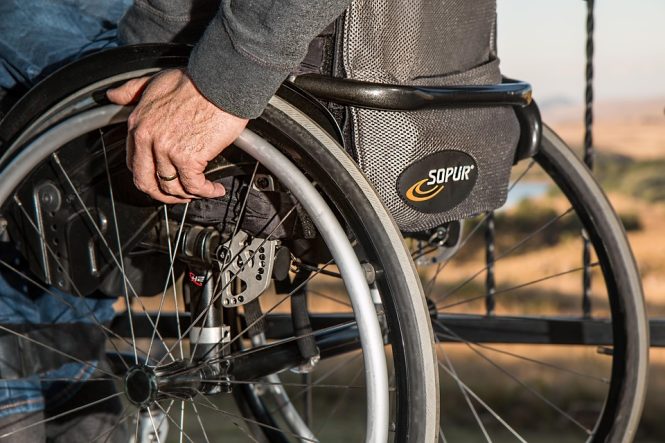
Rebuilding Lives: The Power of Rehabilitation in Modern Medicine
In the realm of modern medicine, rehabilitation plays a vital role in helping individuals recover from injuries, illnesses, and surgeries. The concept of rehabilitation has undergone significant transformations over the years, evolving from a solely physical approach to a holistic methodology that encompasses physical, emotional, and psychological well-being. This multidisciplinary approach has revolutionized the way healthcare professionals rebuild lives, enabling patients to regain their independence, confidence, and quality of life.
The Rehabilitation Process
Rehabilitation is a carefully crafted process that involves a team of medical professionals, including physiotherapists, occupational therapists, psychologists, and nurses. The journey begins with a comprehensive assessment of the patient’s condition, which helps identify the specific needs and goals of the individual. This evaluation sets the stage for the development of a personalized rehabilitation plan, tailored to address the unique requirements of each patient.
Physical rehabilitation is a crucial component of the process, focusing on the restoration of physical function, mobility, and strength. This may involve techniques such as physical therapy, exercise programs, and the use of assistive devices like prosthetics or orthotics. Additionally, occupational therapy helps patients develop the skills necessary for daily living, such as bathing, dressing, and cooking, thereby promoting independence and self-sufficiency.
Emotional and Psychological Support
Rehabilitation is not just about physical recovery; it also encompasses emotional and psychological support. Patients often experience anxiety, depression, or post-traumatic stress disorder (PTSD) following a traumatic event or illness. To address these concerns, rehabilitation programs incorporate counseling, cognitive-behavioral therapy, and stress management techniques. These interventions help patients cope with their emotions, build resilience, and develop strategies to manage their mental health.
The Role of Technology in Rehabilitation
Modern medicine has witnessed significant advancements in technology, which have transformed the rehabilitation landscape. Innovative tools and equipment, such as robotic exoskeletons, virtual reality systems, and mobile health applications, have enhanced the rehabilitation process. These technologies provide patients with interactive, engaging, and immersive experiences, making therapy more enjoyable and effective.
For instance, virtual reality (VR) therapy has been successfully used to treat patients with PTSD, phobias, and anxiety disorders. VR systems simulate real-world environments, allowing patients to confront and overcome their fears in a controlled and safe setting. Similarly, mobile health applications enable patients to track their progress, access rehabilitation programs, and communicate with healthcare professionals remotely, promoting continuity of care and patient engagement.
The Impact of Rehabilitation on Society
The Benefits of Rehabilitation
Rehabilitation has a profound impact on individuals, families, and society as a whole. By enabling patients to recover from injuries and illnesses, rehabilitation programs help reduce healthcare costs, minimize hospital readmissions, and promote economic productivity. Rehabilitation also enhances the quality of life for patients and their families, fostering independence, confidence, and emotional well-being.
Moreover, rehabilitation plays a critical role in addressing the social and economic burden of disability. According to the World Health Organization (WHO), approximately 1 billion people worldwide live with some form of disability. Rehabilitation programs can help individuals with disabilities reintegrate into their communities, access education and employment opportunities, and participate fully in society.
Challenges and Future Directions
Despite the advancements in rehabilitation medicine, there are still challenges to be addressed. One of the significant barriers to rehabilitation is access to care, particularly in low-resource settings or rural areas. Healthcare systems must prioritize rehabilitation services, invest in infrastructure, and develop innovative models of care to reach underserved populations.
Furthermore, rehabilitation research must continue to evolve, incorporating new technologies, therapies, and methodologies to improve patient outcomes. The development of personalized medicine, genomics, and epigenomics will likely play a significant role in shaping the future of rehabilitation, enabling healthcare professionals to tailor interventions to individual needs and characteristics.
Conclusion
Rebuilding lives through rehabilitation is a powerful testament to the advancements in modern medicine. By adopting a holistic approach, incorporating technology, and addressing emotional and psychological needs, rehabilitation programs have transformed the lives of countless individuals. As healthcare continues to evolve, it is essential to prioritize rehabilitation services, invest in research, and develop innovative models of care to promote independence, confidence, and quality of life for patients worldwide. By doing so, we can unlock the full potential of rehabilitation, empowering individuals to regain their lives and reach their full potential.