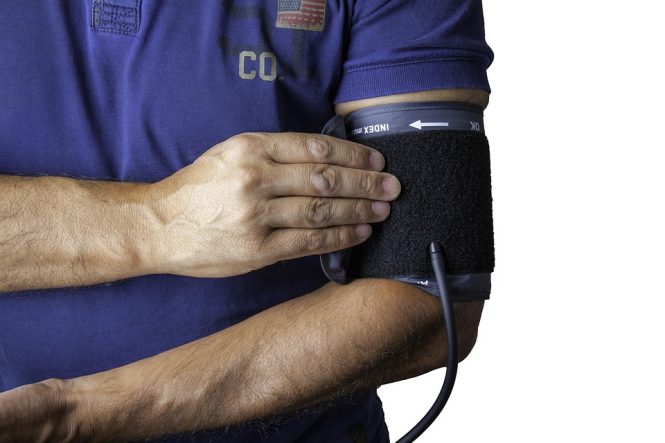
The Silent Killer: Understanding the Risks of High Blood Pressure
High blood pressure, also known as hypertension, is a silent killer that affects millions of people worldwide. It is a major risk factor for heart disease, stroke, and kidney disease, and is responsible for thousands of deaths every year. Despite its prevalence, many people are unaware of the risks associated with high blood pressure, and do not take the necessary steps to prevent or manage it. In this article, we will explore the risks of high blood pressure, its causes and symptoms, and what you can do to protect yourself from this silent killer.
What is High Blood Pressure?
High blood pressure is a condition in which the pressure of the blood against the walls of the arteries is too high. This pressure can damage the blood vessels, heart, and kidneys over time, leading to serious health problems. Blood pressure is measured in millimeters of mercury (mmHg) and is expressed as two numbers: systolic pressure (the top number) and diastolic pressure (the bottom number). A normal blood pressure reading is typically around 120/80 mmHg. High blood pressure is defined as a reading of 140/90 mmHg or higher.
Causes and Risk Factors
High blood pressure can be caused by a combination of genetic, lifestyle, and environmental factors. Some of the main risk factors for high blood pressure include:
- Age: Blood pressure tends to increase with age, and men are more likely to develop high blood pressure than women.
- Family history: If you have a family history of high blood pressure, you are more likely to develop it.
- Obesity: Being overweight or obese can increase your blood pressure.
- Physical inactivity: A lack of physical activity can contribute to high blood pressure.
- Smoking: Smoking can damage blood vessels and increase blood pressure.
- Diet: A diet high in salt, sugar, and saturated fats can contribute to high blood pressure.
- Chronic stress: Chronic stress can raise blood pressure and increase the risk of heart disease.
Symptoms
High blood pressure often has no symptoms, which is why it is known as the “silent killer.” However, some people may experience:
- Headaches: Frequent and severe headaches can be a sign of high blood pressure.
- Dizziness: Dizziness or lightheadedness can occur when blood pressure is high.
- Nosebleeds: Frequent nosebleeds can be a sign of high blood pressure.
- Vision problems: High blood pressure can cause vision problems, such as blurred vision or double vision.
Risks and Complications
High blood pressure can increase the risk of:
- Heart disease: High blood pressure can damage the heart and increase the risk of heart failure, heart attack, and stroke.
- Stroke: High blood pressure can cause blood vessels in the brain to burst, leading to a stroke.
- Kidney disease: High blood pressure can damage the kidneys and increase the risk of kidney failure.
- Vision loss: High blood pressure can cause damage to the blood vessels in the eyes, leading to vision loss.
Prevention and Management
Fortunately, high blood pressure can be prevented and managed with lifestyle changes and medical treatment. Some of the ways to prevent and manage high blood pressure include:
- Regular exercise: Regular physical activity can help lower blood pressure and improve overall health.
- Healthy diet: Eating a diet low in salt, sugar, and saturated fats can help lower blood pressure.
- Weight management: Maintaining a healthy weight can help lower blood pressure.
- Stress reduction: Practicing stress-reducing techniques, such as meditation or deep breathing, can help lower blood pressure.
- Medication: If you have high blood pressure, your doctor may prescribe medication to help lower your blood pressure.
Conclusion
High blood pressure is a silent killer that can have serious consequences if left untreated. By understanding the risks and causes of high blood pressure, you can take steps to prevent and manage it. Regular exercise, a healthy diet, weight management, stress reduction, and medication can all help lower blood pressure and reduce the risk of heart disease, stroke, and kidney disease. If you are concerned about your blood pressure, talk to your doctor about getting your blood pressure checked and developing a plan to manage it. Remember, high blood pressure is a silent killer, but it can be prevented and managed with the right lifestyle changes and medical treatment.