Say Goodbye to Aches and Pains: The Latest Advances in Physical Therapy Techniques
Are you tired of living with chronic pain and discomfort? Do you struggle with mobility and flexibility due to injury or illness? Fortunately, the field of physical therapy has made tremendous strides in recent years, offering new and innovative techniques to help alleviate aches and pains. In this article, we’ll explore the latest advances in physical therapy techniques and how they can help you say goodbye to discomfort and hello to a healthier, happier you.
Introduction to Physical Therapy
Physical therapy, also known as physiotherapy, is a healthcare profession that focuses on helping individuals recover from injury, illness, or surgery. Physical therapists use a combination of exercise, manual therapy, and education to promote physical function, mobility, and overall well-being. With the help of a physical therapist, patients can improve their range of motion, strengthen their muscles, and reduce pain and inflammation.
Latest Advances in Physical Therapy Techniques
In recent years, physical therapy has evolved to incorporate new and innovative techniques, including:
- Dry Needling: This technique involves the use of thin needles to stimulate healing and reduce pain in specific areas of the body. Dry needling has been shown to be effective in treating conditions such as chronic pain, migraines, and sports injuries.
- Blood Flow Restriction Training: This technique involves restricting blood flow to specific areas of the body while performing exercises. Blood flow restriction training has been shown to be effective in improving muscle strength and hypertrophy, even at low intensities.
- Virtual Reality Therapy: Virtual reality therapy uses immersive technology to simulate real-world environments and activities, allowing patients to practice movements and exercises in a safe and controlled setting. This technique has been shown to be effective in treating conditions such as stroke, spinal cord injuries, and chronic pain.
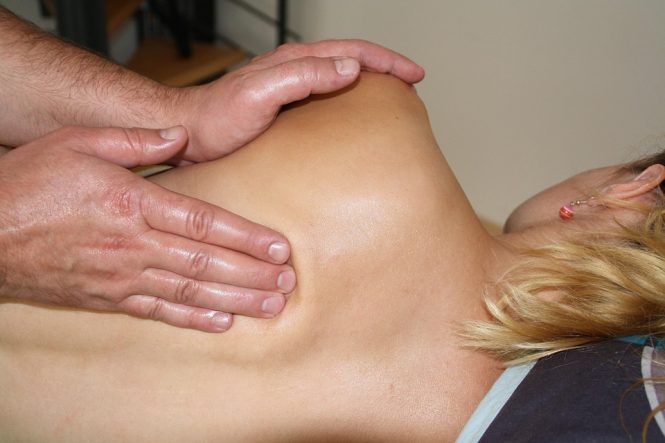
- Manual Therapy: Manual therapy involves the use of hands-on techniques, such as massage, joint mobilization, and soft tissue mobilization, to promote relaxation, reduce pain, and improve mobility.
- Electrophysiological Therapy: Electrophysiological therapy uses electrical currents to stimulate muscle contractions and promote healing. This technique has been shown to be effective in treating conditions such as muscle weakness, paralysis, and chronic pain.
Benefits of Physical Therapy
The benefits of physical therapy are numerous and well-documented. Some of the most significant advantages of physical therapy include:
- Pain Relief: Physical therapy can help alleviate chronic pain and discomfort, improving overall quality of life.
- Improved Mobility: Physical therapy can help improve mobility and flexibility, making it easier to perform daily activities and maintain independence.
- Injury Prevention: Physical therapy can help prevent injuries by improving strength, flexibility, and coordination.
- Recovery from Surgery: Physical therapy can help patients recover from surgery, reducing the risk of complications and promoting a faster return to normal activities.
- Improved Overall Health: Physical therapy can help improve overall health and well-being, reducing the risk of chronic diseases such as diabetes, heart disease, and obesity.
Who Can Benefit from Physical Therapy?
Physical therapy is not just for athletes or individuals with injuries. Anyone can benefit from physical therapy, including:
- Individuals with Chronic Pain: Physical therapy can help alleviate chronic pain and discomfort, improving overall quality of life.
- Seniors: Physical therapy can help seniors maintain mobility and independence, reducing the risk of falls and injuries.
- Individuals with Neurological Conditions: Physical therapy can help individuals with neurological conditions such as stroke, spinal cord injuries, and Parkinson’s disease.
- Athletes: Physical therapy can help athletes recover from injury, improve performance, and prevent injuries.
- Individuals with Mental Health Conditions: Physical therapy can help individuals with mental health conditions such as depression and anxiety, promoting overall well-being and quality of life.
Conclusion
Physical therapy has come a long way in recent years, offering new and innovative techniques to help alleviate aches and pains. From dry needling to virtual reality therapy, the latest advances in physical therapy techniques can help individuals of all ages and abilities improve their mobility, strength, and overall health. Whether you’re struggling with chronic pain, recovering from surgery, or looking to improve your overall well-being, physical therapy can help. So why wait? Say goodbye to aches and pains and hello to a healthier, happier you with the latest advances in physical therapy techniques. Consult with a physical therapist today to learn more about how physical therapy can benefit you.


