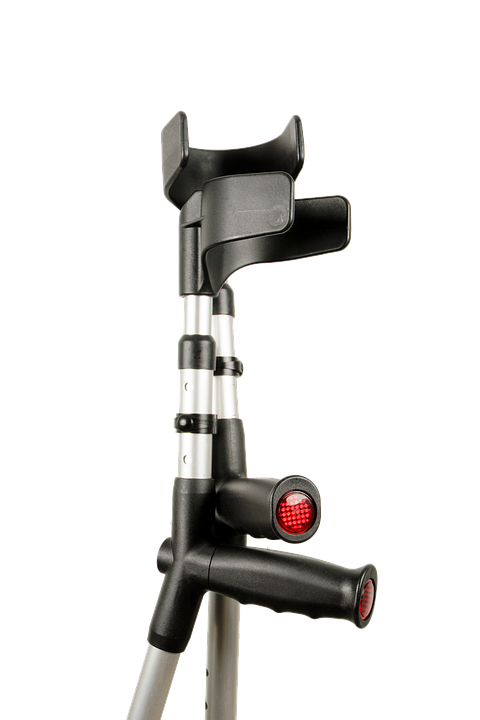
Rehabilitation in the 21st Century: A New Era of Care and Compassion
The 21st century has brought about significant advancements in the field of rehabilitation, transforming the way we approach care and compassion for individuals with disabilities, injuries, or chronic conditions. Gone are the days of institutionalized, one-size-fits-all approaches to rehabilitation. Today, we are witnessing a paradigm shift towards personalized, holistic, and community-based care that prioritizes the unique needs and goals of each individual.
The Evolution of Rehabilitation
In the past, rehabilitation was often viewed as a medical process focused solely on physical recovery. However, this narrow approach neglected the complex interplay between physical, emotional, and social factors that influence an individual’s overall well-being. The 21st century has seen a significant expansion of the rehabilitation framework, incorporating insights from psychology, sociology, and occupational therapy to create a more comprehensive and nuanced understanding of the rehabilitation process.
Personalized Care and Treatment Plans
One of the most significant developments in 21st-century rehabilitation is the emphasis on personalized care and treatment plans. By recognizing that each individual has unique needs, goals, and circumstances, rehabilitation professionals can tailor their interventions to address the specific requirements of each patient. This approach not only enhances the effectiveness of rehabilitation but also fosters a sense of autonomy and empowerment, as individuals are encouraged to take an active role in their recovery.
Technological Innovations and Virtual Rehabilitation
The 21st century has also witnessed an explosion of technological innovations that are revolutionizing the field of rehabilitation. Virtual reality, telehealth, and mobile health applications are just a few examples of the digital tools being used to enhance rehabilitation outcomes. These technologies offer unprecedented access to rehabilitation services, enabling individuals to engage in therapy from the comfort of their own homes or while on-the-go. Moreover, advanced data analytics and artificial intelligence are being leveraged to optimize treatment plans, predict patient outcomes, and streamline clinical decision-making.
Community-Based Rehabilitation and Social Inclusion
Another critical aspect of 21st-century rehabilitation is the emphasis on community-based care and social inclusion. Rather than isolating individuals in institutional settings, rehabilitation professionals are now working to integrate patients into their communities, promoting social participation, and fostering a sense of belonging. This approach recognizes that rehabilitation is not solely the responsibility of healthcare providers but also requires the support and engagement of family members, caregivers, and community organizations.
The Role of Compassion and Empathy in Rehabilitation
Compassion and empathy are essential components of 21st-century rehabilitation, as they acknowledge the inherent dignity and worth of each individual. By adopting a compassionate and empathetic approach, rehabilitation professionals can create a safe, supportive, and non-judgmental environment that encourages patients to share their concerns, hopes, and fears. This, in turn, facilitates the development of trusting relationships between patients and healthcare providers, which is critical for optimal rehabilitation outcomes.
The Future of Rehabilitation: Challenges and Opportunities
As we look to the future of rehabilitation in the 21st century, there are several challenges and opportunities that need to be addressed. One of the most significant challenges is ensuring equitable access to rehabilitation services, particularly for marginalized and underserved populations. Additionally, the increasing burden of chronic diseases and mental health conditions will require innovative solutions and collaborative efforts from healthcare providers, policymakers, and community organizations.
In conclusion, rehabilitation in the 21st century represents a new era of care and compassion, characterized by personalized approaches, technological innovations, community-based care, and a deep commitment to social inclusion and empathy. As we continue to navigate the complexities of the 21st century, it is essential that we prioritize the development of rehabilitation services that are responsive to the unique needs and goals of each individual, fostering a culture of care, compassion, and empowerment that enables people to thrive and reach their full potential.