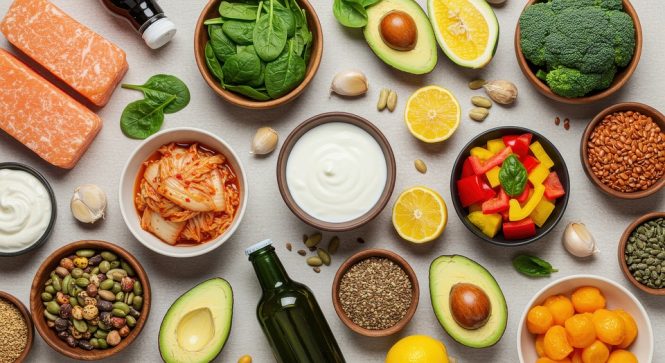
Nourish Your Body: The Importance of Eating a Balanced Diet for Optimal Health
Maintaining a healthy lifestyle is crucial for overall well-being, and one of the most effective ways to achieve this is by eating a balanced diet. A well-nourished body is better equipped to fight off diseases, maintain energy levels, and support physical and mental health. In this article, we will explore the importance of eating a balanced diet and provide tips on how to incorporate healthy eating habits into your daily routine.
Why is a Balanced Diet Important?
A balanced diet provides the body with the necessary nutrients, vitamins, and minerals to function properly. Eating a variety of foods from all food groups ensures that the body receives the essential nutrients it needs to:
- Maintain Energy Levels: A balanced diet provides the body with the energy it needs to function, reducing the risk of fatigue and lethargy.
- Support Growth and Development: A diet rich in essential nutrients supports growth and development, particularly in children and adolescents.
- Boost Immune System: A balanced diet helps to maintain a healthy immune system, reducing the risk of illnesses and infections.
- Reduce Chronic Disease Risk: Eating a balanced diet can help reduce the risk of chronic diseases, such as heart disease, diabetes, and certain types of cancer.
- Support Mental Health: A healthy diet has been shown to have a positive impact on mental health, reducing the risk of depression and anxiety.
The Key Components of a Balanced Diet
A balanced diet consists of a variety of foods from all food groups, including:
- Fruits and Vegetables: Rich in vitamins, minerals, and antioxidants, fruits and vegetables should make up a significant portion of your diet.
- Whole Grains: Whole grains, such as brown rice, quinoa, and whole wheat bread, provide fiber, vitamins, and minerals.
- Protein: Lean protein sources, such as poultry, fish, and legumes, are essential for building and repairing tissues.
- Dairy: Dairy products, such as milk, cheese, and yogurt, provide calcium and vitamin D.
- Healthy Fats: Nuts, seeds, and avocados are rich in healthy fats, which support heart health and satisfy hunger.
Tips for Eating a Balanced Diet
Incorporating healthy eating habits into your daily routine can be simple and delicious. Here are some tips to help you get started:
- Eat a Variety of Foods: Aim to include a variety of foods from all food groups in your diet.
- Plan Your Meals: Plan your meals in advance to ensure you are getting a balanced mix of nutrients.
- Cook at Home: Cooking at home allows you to control the ingredients and portion sizes of your meals.
- Limit Processed Foods: Try to limit your intake of processed and packaged foods, which are often high in salt, sugar, and unhealthy fats.
- Stay Hydrated: Drink plenty of water throughout the day to stay hydrated and support overall health.
Conclusion
Eating a balanced diet is essential for maintaining optimal health and well-being. By incorporating a variety of foods from all food groups into your diet, you can support energy levels, growth and development, immune function, and reduce the risk of chronic diseases. Remember to plan your meals, cook at home, limit processed foods, and stay hydrated to nourish your body and support overall health. By making healthy eating a priority, you can take the first step towards a healthier, happier you.


