Maximizing Protein Intake: Tips and Tricks for a Healthy and Balanced Diet
Protein is an essential nutrient that plays a crucial role in maintaining overall health and well-being. It is a vital component of every cell in the body, and its importance cannot be overstated. Adequate protein intake is necessary for building and repairing tissues, producing enzymes and hormones, and supporting immune function. In this article, we will explore the importance of protein and provide tips and tricks on how to maximize protein intake for a healthy and balanced diet.
Why is Protein Important?
Protein is a macronutrient that provides the building blocks for the body’s tissues, including muscles, bones, skin, and hair. It is also necessary for producing enzymes, hormones, and other biomolecules that regulate various bodily functions. Some of the key benefits of protein include:
- Muscle growth and repair: Protein is essential for building and repairing muscle tissue, making it a crucial nutrient for athletes and individuals who engage in regular exercise.
- Weight management: Protein can help with weight loss and maintenance by increasing satiety, reducing hunger, and boosting metabolism.
- Bone health: Protein is necessary for maintaining strong bones, and inadequate intake can increase the risk of osteoporosis and fractures.
- Immune function: Protein is involved in the production of antibodies and other immune-related proteins that help to fight off infections and diseases.
Recommended Daily Protein Intake
The recommended daily protein intake varies based on factors such as age, sex, weight, and activity level. Generally, the recommended daily intake is:
- 0.8 grams per kilogram of body weight for sedentary adults
- 1.2-1.6 grams per kilogram of body weight for active adults
- 1.6-2.2 grams per kilogram of body weight for athletes and individuals who engage in high-intensity exercise
Tips and Tricks for Maximizing Protein Intake
Here are some tips and tricks to help you maximize your protein intake:
- Eat a variety of protein sources: Include a mix of animal-based and plant-based protein sources in your diet, such as lean meats, fish, eggs, dairy, legumes, and nuts.
- Spread protein intake throughout the day: Aim to consume protein at every meal, including breakfast, lunch, and dinner, as well as snacks in between.
- Choose high-protein foods: Incorporate high-protein foods into your diet, such as:
- Lean meats: chicken, turkey, beef, and pork
- Fish: salmon, tuna, and tilapia
- Eggs
- Dairy: milk, yogurt, and cheese
- Legumes: lentils, chickpeas, and black beans
- Nuts and seeds: almonds, chia seeds, and hemp seeds
- Use protein powder supplements: Consider adding protein powder supplements to your diet, especially if you are struggling to meet your daily protein needs through whole foods.
- Incorporate protein-rich snacks: Enjoy protein-rich snacks, such as Greek yogurt, hard-boiled eggs, and cottage cheese, to help boost your daily protein intake.
- Experiment with protein-rich recipes: Try new recipes that incorporate protein-rich ingredients, such as stir-fries with lean meats and vegetables, and salads with grilled chicken and nuts.
Common Protein-Rich Foods and Their Protein Content
Here are some common protein-rich foods and their protein content:
- Chicken breast: 31 grams per 3-ounce serving
- Lean beef: 22 grams per 3-ounce serving
- Fish: 20 grams per 3-ounce serving
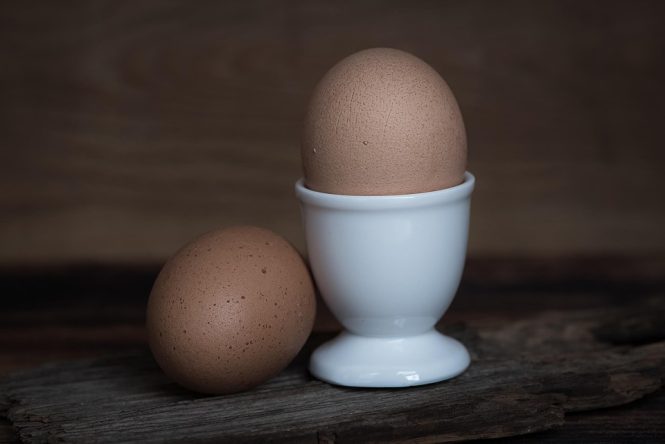
- Eggs: 6 grams per large egg
- Greek yogurt: 20 grams per 6-ounce serving
- Legumes: 15-18 grams per 1 cup cooked
- Nuts and seeds: 5-8 grams per 1 ounce serving
Conclusion
Maximizing protein intake is crucial for maintaining overall health and well-being. By following the tips and tricks outlined in this article, you can ensure that you are getting enough protein in your diet to support muscle growth and repair, weight management, bone health, and immune function. Remember to choose a variety of protein sources, spread protein intake throughout the day, and experiment with protein-rich recipes to keep your diet interesting and balanced.