Ditch the Low-Fat Myth: Why Healthy Fats Are Essential for Weight Loss
For decades, the notion that low-fat diets are the key to weight loss has been deeply ingrained in our minds. We’ve been led to believe that cutting out fat from our diets is the best way to shed those extra pounds and maintain a healthy weight. However, this myth has been debunked by numerous scientific studies, and it’s time to set the record straight: healthy fats are not only beneficial for our overall health, but they’re also essential for weight loss.
The Low-Fat Myth: A Brief History
The low-fat mantra began in the 1950s, when a scientist named Ancel Keys proposed that saturated fats were the primary cause of heart disease. This led to a widespread campaign to reduce fat intake, and by the 1980s, low-fat diets had become the norm. Food manufacturers began producing low-fat versions of their products, and the public was advised to limit their fat intake to less than 30% of their daily calories.
The Problem with Low-Fat Diets
While the intention behind low-fat diets was to reduce the risk of heart disease, the unintended consequence was a significant increase in carbohydrate consumption. Refined carbohydrates, such as sugar and white flour, became the primary source of energy, leading to a surge in insulin resistance, metabolic syndrome, and obesity.
Low-fat diets are often high in empty calories, added sugars, and unhealthy ingredients, which can lead to a range of negative health effects, including:
- Increased risk of chronic diseases, such as diabetes, cardiovascular disease, and certain types of cancer
- Imbalanced gut bacteria, leading to digestive issues and impaired immune function
- Nutrient deficiencies, particularly in fat-soluble vitamins, such as vitamins A, D, E, and K
The Importance of Healthy Fats
Healthy fats, on the other hand, are essential for various bodily functions, including:
- Energy production: Fats are a vital source of energy, particularly for the brain, heart, and other organs.
- Hormone regulation: Fats are necessary for the production of hormones, such as cholesterol, which is converted into vitamin D, testosterone, and estrogen.
- Inflammation reduction: Omega-3 fatty acids, found in fatty fish, nuts, and seeds, have potent anti-inflammatory properties.
- Satiety and weight management: Healthy fats are more satiating than carbohydrates, making it easier to stick to a weight loss diet.
The Best Sources of Healthy Fats
So, what are the best sources of healthy fats? Here are some of the top contenders:
- Avocados: rich in monounsaturated fats, vitamins, and minerals
- Nuts and seeds: almonds, walnuts, chia seeds, and flaxseeds are all high in healthy fats and fiber
- Fatty fish: salmon, sardines, and mackerel are rich in omega-3 fatty acids
- Olive oil: a rich source of monounsaturated fats and antioxidants
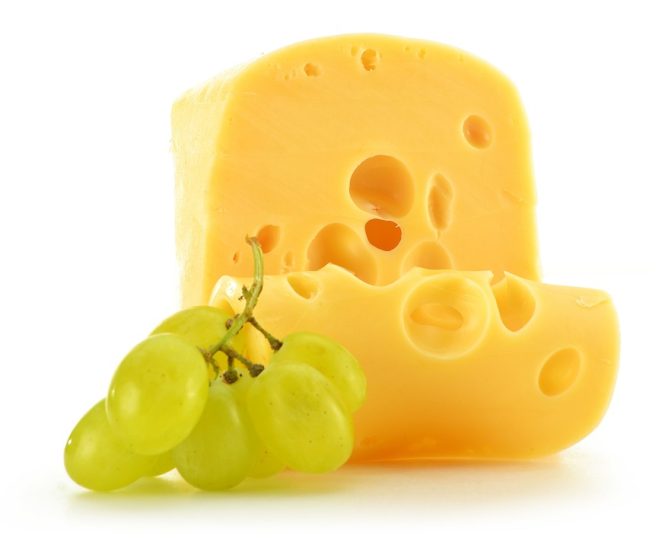
- Full-fat dairy: whole milk, cheese, and yogurt contain conjugated linoleic acid (CLA), a fatty acid with potential weight loss benefits
Incorporating Healthy Fats into Your Diet
Ditching the low-fat myth and incorporating healthy fats into your diet can be simple. Here are some tips to get you started:
- Add avocado to your salads, smoothies, and sandwiches
- Snack on nuts and seeds instead of chips or crackers
- Grill or bake fatty fish for a healthy protein source
- Use olive oil for cooking and dressing salads
- Enjoy full-fat dairy products in moderation
Conclusion
The low-fat myth has been debunked, and it’s time to embrace the benefits of healthy fats. By incorporating sources of healthy fats into your diet, you’ll not only improve your overall health but also support your weight loss goals. Remember, a balanced diet that includes a variety of whole foods, including healthy fats, is the key to achieving and maintaining a healthy weight. So, go ahead and ditch the low-fat myth – your body (and taste buds) will thank you!