BP Alert: Why You Should Monitor Your Blood Pressure Regularly
High blood pressure, also known as hypertension, is a silent killer that affects millions of people worldwide. It is a major risk factor for heart disease, stroke, and kidney disease, and can lead to serious health complications if left unmanaged. One of the most effective ways to manage blood pressure is to monitor it regularly. In this article, we will discuss the importance of monitoring blood pressure and provide tips on how to do it effectively.
Why Monitor Blood Pressure?
Monitoring blood pressure regularly is crucial for several reasons:
- Early Detection: Regular monitoring can help detect high blood pressure early, allowing for prompt treatment and preventing complications.
- Tracking Progress: Monitoring blood pressure regularly helps track the effectiveness of treatment and lifestyle changes.
- Identifying Patterns: Regular monitoring can help identify patterns and fluctuations in blood pressure, allowing for adjustments to treatment and lifestyle.
- Reducing Risk: Monitoring blood pressure regularly can help reduce the risk of heart disease, stroke, and kidney disease.
How to Monitor Blood Pressure
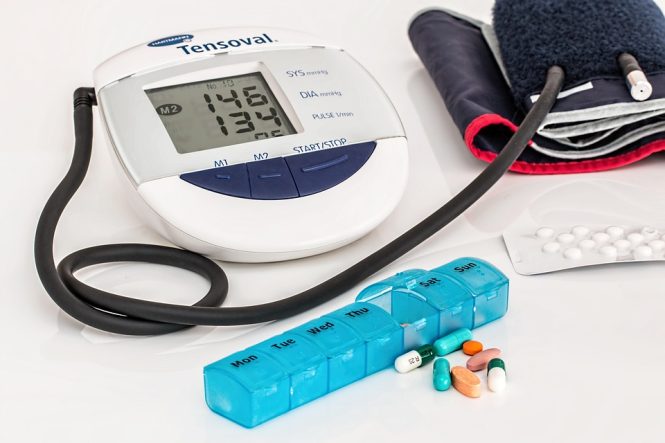
Monitoring blood pressure is easy and can be done at home with a blood pressure monitor. Here are some tips to get you started:
- Choose the Right Monitor: Select a blood pressure monitor that is accurate and easy to use. Automatic monitors with a cuff that wraps around the upper arm are recommended.
- Take Multiple Readings: Take multiple readings at different times of the day to get an accurate picture of your blood pressure.
- Sit Comfortably: Sit comfortably with your back supported and feet flat on the floor.
- Avoid Caffeine and Tobacco: Avoid consuming caffeine and tobacco for at least 30 minutes before taking a reading.
- Keep a Record: Keep a record of your readings to track progress and identify patterns.
What to Do with Your Readings
Once you have taken your blood pressure readings, here’s what to do with them:
- Consult Your Doctor: Share your readings with your doctor to discuss treatment options and lifestyle changes.
- Track Progress: Use a blood pressure log or mobile app to track your progress and identify patterns.
- Make Lifestyle Changes: Make lifestyle changes such as exercising regularly, eating a healthy diet, and reducing stress to help manage your blood pressure.
Normal Blood Pressure Readings
Here are the normal blood pressure readings:
- Systolic Pressure: Less than 120 mmHg
- Diastolic Pressure: Less than 80 mmHg
High Blood Pressure Readings
Here are the high blood pressure readings:
- Elevated: 120-129 mmHg (systolic) and less than 80 mmHg (diastolic)
- Stage 1 Hypertension: 130-139 mmHg (systolic) or 80-89 mmHg (diastolic)
- Stage 2 Hypertension: 140 or higher mmHg (systolic) or 90 or higher mmHg (diastolic)
Conclusion
Monitoring blood pressure regularly is a simple and effective way to manage high blood pressure and reduce the risk of heart disease, stroke, and kidney disease. By following the tips outlined in this article, you can take control of your blood pressure and improve your overall health. Remember to consult your doctor if you have any concerns about your blood pressure readings. Stay alert, stay informed, and take care of your blood pressure – your health depends on it.