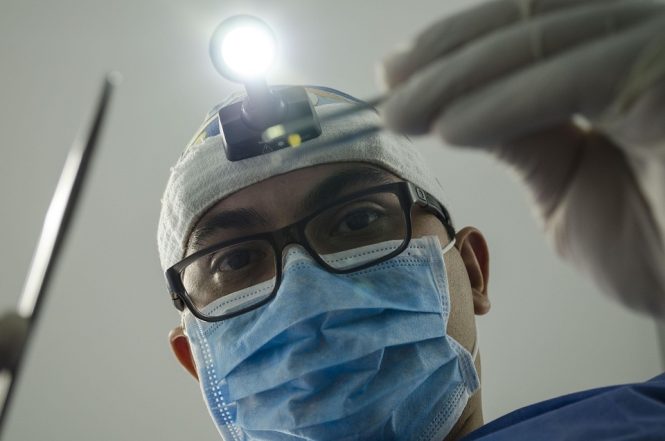
The Future of Tooth Replacement: Advancements in Dental Implant Technology
Tooth loss is a common problem that affects millions of people worldwide. Whether due to decay, injury, or gum disease, missing teeth can have a significant impact on a person’s quality of life, making everyday activities like eating and speaking more difficult. Fortunately, advancements in dental implant technology have revolutionized the field of tooth replacement, offering patients a range of options that are more natural, durable, and long-lasting than ever before.
Traditional tooth replacement methods, such as dentures and bridges, have several limitations. Dentures can be uncomfortable, slip out of place, and require frequent adjustments, while bridges can be invasive, requiring the preparation of adjacent teeth. In contrast, dental implants offer a more permanent solution, providing a stable and secure anchor for artificial teeth.
One of the most significant advancements in dental implant technology is the development of implant materials.Traditionally, implants were made from titanium, which is still widely used today. However, researchers have been exploring alternative materials, such as zirconia and ceramic, which offer improved biocompatibility, strength, and aesthetics. For example, zirconia implants have been shown to have a lower risk of corrosion and inflammation, making them a popular choice for patients with metal allergies.
Another area of advancement is in the design and placement of implants. Computer-aided design (CAD) and computer-aided manufacturing (CAM) technologies have enabled the creation of customized implants that are tailored to each patient’s specific needs. This allows for more precise placement and better integration with the surrounding bone and tissue. Additionally, the use of guided surgery and 3D printing has streamlined the implant placement process, reducing recovery time and improving outcomes.
Bone regeneration and preservation are also critical components of successful implant placement. Researchers have been developing new techniques and materials to promote bone growth and prevent resorption, which can occur when teeth are missing. One such technique is the use of platelet-rich fibrin (PRF), a natural growth factor that stimulates bone regeneration and healing. Another approach is the use of bioactive materials, such as hydroxyapatite and tricalcium phosphate, which can enhance bone integration and stability.
Moreover, the field of dental implantology has seen significant advancements in the area of loading protocols. Traditionally, implants were loaded with a crown or prosthesis after a healing period of several months. However, recent studies have shown that immediate loading, or the placement of a temporary prosthesis on the same day as implant placement, can be a safe and effective option for many patients. This approach can reduce treatment time, improve patient satisfaction, and enhance the overall aesthetic outcome.
The emergence of digital dentistry has also transformed the field of tooth replacement. Digital impressions, CAD/CAM design, and 3D printing have enabled the creation of highly accurate and personalized prostheses. This technology has improved the fit, function, and appearance of dental restorations, allowing patients to enjoy a more natural and comfortable smile.
In conclusion, the future of tooth replacement is exciting and rapidly evolving. Advancements in dental implant technology have opened up new possibilities for patients, offering more natural, durable, and long-lasting solutions than ever before. As research and development continue to push the boundaries of what is possible, we can expect to see even more innovative solutions emerge, further improving the quality of life for individuals with missing teeth.
Some of the potential future developments that are being explored include:
* The use of stem cells and tissue engineering to create living, functional teeth
* The development of implantable devices that can monitor and respond to changes in the oral environment
* The creation of personalized, 3D-printed prostheses that can be designed and manufactured in a matter of hours
* The integration of artificial intelligence and machine learning into dental implant placement and restoration
As the field of tooth replacement continues to advance, it is essential for patients to stay informed about the latest options and technologies available. By working closely with their dentist or prosthodontist, individuals can make informed decisions about their treatment and enjoy a healthier, more confident smile for years to come.


