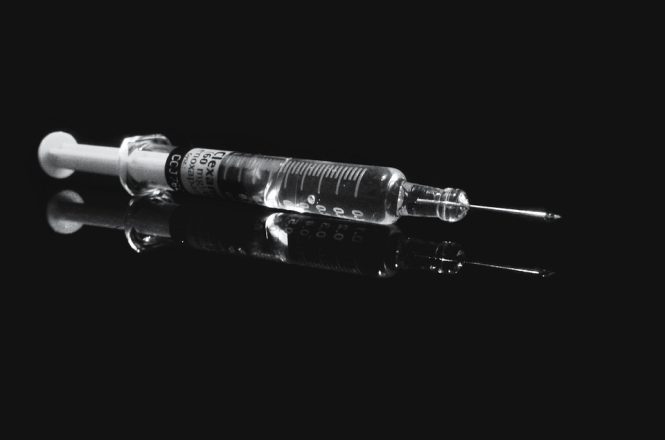
Frozen in Time: The Pros and Cons of Botox Injections
In the pursuit of eternal youth, many individuals have turned to Botox injections as a means to freeze time and maintain a smooth, wrinkle-free complexion. Botox, a neurotoxin protein derived from the bacterium Clostridium botulinum, has become a household name and a staple in the cosmetic industry. However, like any other medical treatment, Botox injections come with their own set of pros and cons.
The Pros:
- Effective Wrinkle Reduction: Botox is highly effective in reducing fine lines and wrinkles, particularly on the forehead, between the eyebrows, and around the eyes. By temporarily paralyzing the muscles that cause wrinkles, Botox can leave the skin looking smoother and more youthful.
- Quick and Minimally Invasive: Botox injections are a relatively quick and painless procedure, with most treatments taking only a few minutes to administer. The injections are also minimally invasive, requiring only a small needle to deliver the toxin.
- Long-Lasting Results: The effects of Botox can last for several months, typically between 3-6 months, depending on the individual and the area treated.
- Versatile: Botox can be used to treat a variety of cosmetic concerns, including crow’s feet, frown lines, and eyebrow furrows.
- Medical Uses: Botox is also used to treat certain medical conditions, such as migraines, excessive sweating, and blepharospasm (eyelid spasms).
The Cons:
- Temporary and Repeated Treatments: While Botox can provide long-lasting results, the effects are temporary, and repeated treatments are necessary to maintain the desired appearance.
- Expensive: Botox injections can be expensive, especially when considering the need for repeated treatments.
- Potential Side Effects: Like any other medical treatment, Botox injections can cause side effects, including bruising, swelling, and droopy eyelids.
- Risk of Over-Treatment: Over-treatment with Botox can lead to a “frozen” or unnatural appearance, which can be difficult to reverse.
- Unknown Long-Term Effects: While Botox has been widely used for over two decades, the long-term effects of repeated use are still not fully understood.
The Risks and Complications:
While rare, there are potential risks and complications associated with Botox injections, including:
- Eyelid Drooping: One of the most common complications of Botox injections is eyelid drooping, which can be temporary or, in rare cases, permanent.
- Facial Asymmetry: Botox injections can cause facial asymmetry, where one side of the face appears different from the other.
- Corneal Exposure: In rare cases, Botox injections can cause the eyelid to droop, leading to corneal exposure and potentially serious eye problems.
The Alternatives:
For those who are hesitant to try Botox or are looking for alternative treatments, there are several options available, including:
- Dermal Fillers: Dermal fillers, such as hyaluronic acid or calcium hydroxylapatite, can be used to fill in wrinkles and restore lost volume.
- Chemical Peels: Chemical peels can help to reduce fine lines and wrinkles by removing the top layers of skin.
- Microdermabrasion: Microdermabrasion is a non-invasive exfoliating treatment that can help to improve skin texture and reduce fine lines.
In conclusion, Botox injections can be an effective and relatively safe way to reduce wrinkles and maintain a smooth, youthful complexion. However, it is essential to weigh the pros and cons and consider the potential risks and complications before undergoing treatment. It is also crucial to find a qualified and experienced practitioner to administer the injections to minimize the risk of adverse effects. Ultimately, Botox should be used in moderation and as part of a comprehensive skincare routine to achieve optimal results.


