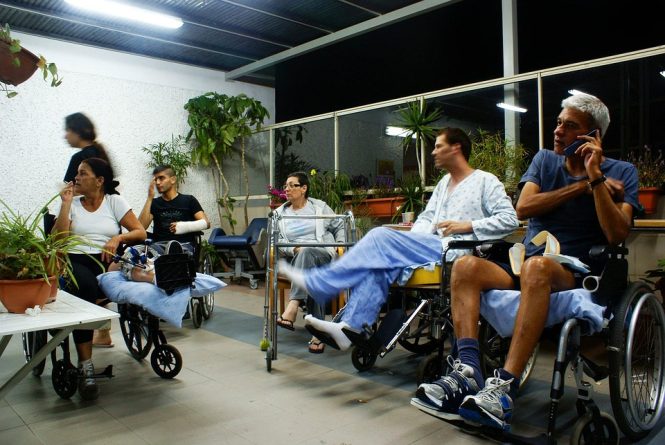
From Trauma to Triumph: The Power of Rehabilitation in Healing Emotional Wounds
Trauma can have a profound impact on an individual’s life, leaving deep emotional wounds that can affect every aspect of their being. The journey to healing and recovery can be long and arduous, but with the right support and rehabilitation, it is possible to transform trauma into triumph. In this article, we will explore the power of rehabilitation in healing emotional wounds and how it can help individuals move from a place of trauma to one of triumph.
Understanding Trauma
Trauma can result from a wide range of experiences, including physical or emotional abuse, neglect, accidents, or natural disasters. When an individual experiences a traumatic event, their body’s “fight or flight” response is triggered, releasing stress hormones like adrenaline and cortisol. This response is designed to help the individual respond to the immediate threat, but when the trauma is prolonged or repeated, it can have a lasting impact on their emotional and psychological well-being.
The Impact of Trauma
The impact of trauma can be far-reaching, affecting an individual’s relationships, work, and overall quality of life. Some common symptoms of trauma include anxiety, depression, flashbacks, and avoidance of triggers that remind them of the traumatic event. Trauma can also affect an individual’s self-esteem, making them feel powerless, shameful, or guilty.
The Power of Rehabilitation
Rehabilitation is a process that helps individuals heal and recover from trauma. It involves a range of therapies and interventions designed to promote emotional healing, rebuild self-esteem, and restore a sense of control and empowerment. Some common forms of rehabilitation include:
- Cognitive-behavioral therapy (CBT): This type of therapy helps individuals identify and change negative thought patterns and behaviors that contribute to their trauma.
- Eye movement desensitization and reprocessing (EMDR): This therapy involves using eye movements or other forms of stimulation to process and integrate traumatic memories.
- Mindfulness-based therapies: These therapies, such as mindfulness-based stress reduction (MBSR), help individuals develop greater awareness and acceptance of their thoughts, feelings, and bodily sensations.
- Group therapy: This type of therapy provides a supportive environment where individuals can share their experiences and connect with others who have gone through similar traumas.
The Journey to Triumph
Rehabilitation is not a one-size-fits-all approach, and the journey to triumph will look different for each individual. However, with the right support and guidance, it is possible to heal and recover from trauma. Here are some key steps on the journey to triumph:
- Acknowledging the trauma: The first step towards healing is acknowledging the trauma and its impact on your life.
- Seeking support: Reach out to a mental health professional, support group, or trusted friend or family member for help and guidance.
- Processing the trauma: Work with a therapist or counselor to process the traumatic event and its aftermath.
- Rebuilding self-esteem: Engage in activities that promote self-esteem and self-worth, such as exercise, creative pursuits, or spending time in nature.
- Integrating the trauma: Integrate the traumatic experience into your narrative, rather than trying to suppress or deny it.
Conclusion
Healing from trauma is a journey, not a destination. It takes time, effort, and support, but with the right rehabilitation and mindset, it is possible to transform trauma into triumph. By acknowledging the trauma, seeking support, processing the trauma, rebuilding self-esteem, and integrating the trauma, individuals can move from a place of trauma to one of triumph. Remember, you are not alone, and there is hope for healing and recovery. With the power of rehabilitation, you can overcome even the most daunting challenges and emerge stronger, wiser, and more resilient than ever before.