Reclaiming Independence: The Impact of Rehabilitation on Daily Life
Rehabilitation is a vital process that helps individuals regain their independence and improve their overall quality of life after experiencing a debilitating injury, illness, or disease. Whether it’s physical, occupational, or speech therapy, rehabilitation plays a crucial role in enabling people to recover and adapt to their new circumstances. In this article, we will explore the impact of rehabilitation on daily life and how it can help individuals reclaim their independence.
Benefits of Rehabilitation
Rehabilitation offers numerous benefits that can significantly improve an individual’s daily life. Some of the most notable advantages include:
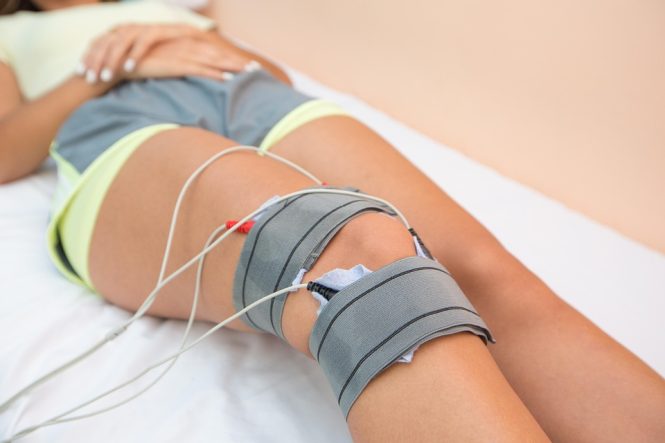
- Improved mobility and functionality: Physical therapy helps individuals recover from injuries or illnesses that affect their mobility, balance, and coordination. By regaining strength and flexibility, people can perform daily tasks with greater ease and confidence.
- Enhanced cognitive abilities: Occupational therapy focuses on developing skills that enable individuals to manage daily activities, such as dressing, grooming, and cooking. This type of therapy also helps people with cognitive impairments, like memory loss or attention deficits, to compensate for their limitations.
- Effective communication: Speech therapy is essential for individuals who have experienced a stroke, brain injury, or other conditions that affect their ability to communicate. By improving their speech, language, and swallowing skills, people can interact more effectively with others and express their needs and wants.
The Rehabilitation Process
The rehabilitation process typically involves a team of healthcare professionals, including physical therapists, occupational therapists, speech therapists, and other specialists. The goal of rehabilitation is to create a personalized plan that addresses an individual’s specific needs and goals.
- Assessment and evaluation: The first step in the rehabilitation process is to assess the individual’s current abilities and limitations. This involves a comprehensive evaluation of their physical, cognitive, and emotional functioning.
- Goal setting: Based on the assessment, the rehabilitation team works with the individual to set realistic goals and develop a treatment plan. This plan outlines the specific interventions and strategies that will be used to achieve the desired outcomes.
- Intervention and treatment: The rehabilitation team implements the treatment plan, which may include exercises, activities, and therapies designed to improve the individual’s mobility, cognition, and communication skills.
- Progress monitoring and adjustment: The rehabilitation team regularly monitors the individual’s progress and adjusts the treatment plan as needed. This ensures that the individual is on track to meet their goals and makes any necessary changes to the plan.
Reclaiming Independence
Rehabilitation is a powerful tool for reclaiming independence and improving daily life. By regaining mobility, cognitive abilities, and effective communication skills, individuals can:
- Perform daily tasks with confidence: Rehabilitation enables people to manage their daily routines, such as bathing, dressing, and cooking, with greater ease and independence.
- Participate in social activities: Improved mobility and communication skills allow individuals to engage in social activities, such as visiting friends, attending events, and participating in hobbies.
- Maintain employment or pursue new careers: Rehabilitation can help individuals return to work or explore new career opportunities, which can significantly improve their sense of purpose and fulfillment.
Conclusion
Rehabilitation is a vital process that helps individuals reclaim their independence and improve their daily life. By providing personalized support and guidance, rehabilitation enables people to regain mobility, cognitive abilities, and effective communication skills. Whether it’s physical, occupational, or speech therapy, rehabilitation plays a crucial role in empowering individuals to adapt to their new circumstances and achieve their goals.