Hair Today, Gone Tomorrow: The Surprising Causes of Hair Loss and How to Treat It
Hair loss, also known as alopecia, is a common condition that affects millions of people worldwide. It can be caused by a variety of factors, including genetics, hormonal imbalances, stress, and certain medical conditions. In this article, we will explore the surprising causes of hair loss and discuss the various treatment options available.
Causes of Hair Loss
While many people associate hair loss with aging, it can occur at any age and can be caused by a range of factors. Some of the most common causes of hair loss include:
- Genetics: Androgenetic alopecia, also known as male or female pattern baldness, is a genetic condition that accounts for the majority of hair loss cases. It is caused by an inherited sensitivity to a hormone called dihydrotestosterone (DHT), which leads to hair follicle shrinkage and eventual hair loss.
- Hormonal Imbalances: Hormonal changes, such as those that occur during pregnancy, childbirth, or menopause, can cause hair loss. Thyroid disorders, such as hypothyroidism or hyperthyroidism, can also lead to hair loss.
- Stress: Physical or emotional stress can cause hair loss, particularly a condition known as telogen effluvium, where the hair growth cycle is disrupted, leading to excessive hair shedding.
- Medical Conditions: Certain medical conditions, such as autoimmune disorders (e.g., lupus, rheumatoid arthritis), skin conditions (e.g., eczema, psoriasis), and infections (e.g., fungal infections), can cause hair loss.
- Nutritional Deficiencies: Deficiencies in essential nutrients, such as iron, zinc, and biotin, can contribute to hair loss.
- Medications: Certain medications, such as those used to treat depression, high blood pressure, and cancer, can cause hair loss as a side effect.
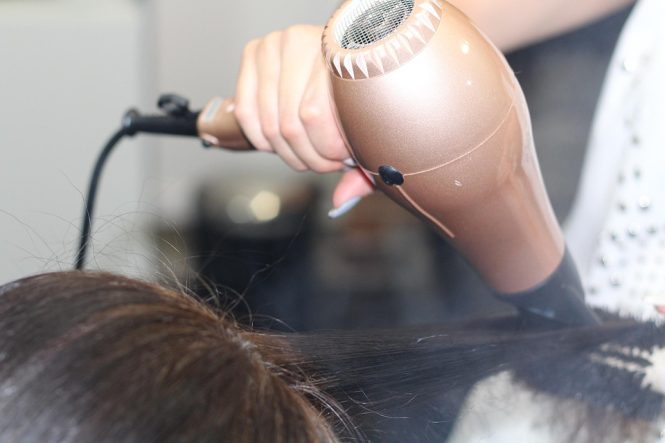
- Hairstyling and Grooming: Excessive heat styling, tight hairstyles (e.g., braids, ponytails), and harsh chemical treatments can cause hair loss and damage.
Symptoms of Hair Loss
The symptoms of hair loss can vary depending on the underlying cause. Common symptoms include:
- Excessive hair shedding or thinning
- Bald patches or spots
- Receding hairline
- Hair loss in specific areas, such as the crown or temples
- Itching, redness, or inflammation of the scalp
Treatment Options for Hair Loss
While there is no cure for hair loss, there are various treatment options available to help promote hair growth, reduce hair shedding, and improve the overall appearance of the hair. Some of the most effective treatment options include:
- Medications: Medications such as minoxidil (Rogaine) and finasteride (Propecia) can help stimulate hair growth and slow down hair loss.
- Low-Level Laser Therapy (LLLT): LLLT uses a low-level laser or light-emitting device to stimulate hair growth and improve the health of the scalp.
- Platelet-Rich Plasma (PRP) Therapy: PRP therapy involves injecting platelet-rich plasma (PRP) into the scalp to stimulate hair growth and improve the health of the hair follicles.
- Hair Transplantation: Hair transplantation involves transplanting healthy hair follicles from the back and sides of the head to the balding areas.
- Hair Systems and Wigs: Hair systems and wigs can provide a temporary or permanent solution for hair loss, particularly for those with extensive hair loss.
- Nutritional Supplements: Nutritional supplements, such as biotin, vitamin D, and fish oil, can help promote hair growth and improve the overall health of the hair.
- Scalp Massage: Massaging the scalp can help improve blood flow, reduce stress, and promote hair growth.
Prevention and Maintenance
While hair loss can be treated, it is also important to take steps to prevent it from occurring in the first place. Some tips for preventing hair loss include:
- Eating a balanced diet rich in essential nutrients
- Reducing stress through exercise, meditation, or other relaxation techniques
- Avoiding excessive heat styling and harsh chemical treatments
- Using gentle hair care products and avoiding excessive brushing or combing
- Getting regular trims to prevent split ends and breakage
In conclusion, hair loss is a common condition that can be caused by a variety of factors. While it can be distressing, there are many effective treatment options available to help promote hair growth, reduce hair shedding, and improve the overall appearance of the hair. By understanding the causes of hair loss and taking steps to prevent it, individuals can maintain a healthy and full head of hair for years to come.