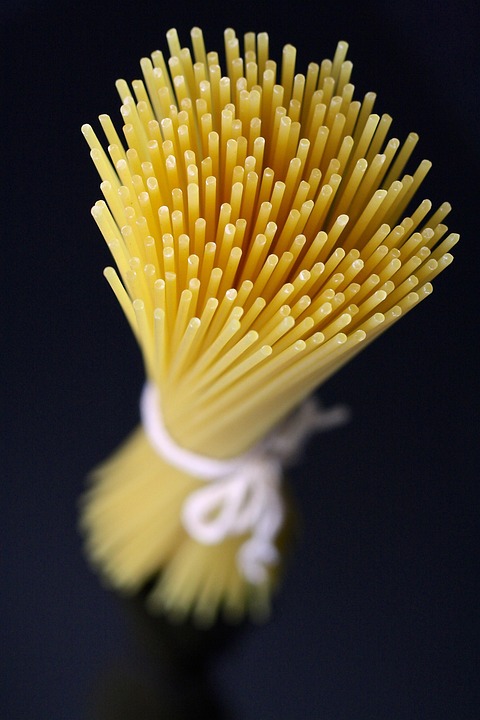
Debunking the Myth: Carbohydrates Are Not the Enemy of Weight Loss
For decades, carbohydrates have been villainized as the primary culprit behind weight gain and obesity. The rise of low-carb diets such as Atkins and Keto has led many to believe that cutting out carbs is the key to successful weight loss. However, this notion is far from the truth. Carbohydrates are not the enemy of weight loss, and it’s time to set the record straight.
What are Carbohydrates?
Carbohydrates are one of the three main macronutrients, along with protein and fat, that provide energy for the body. They come in two forms: simple (sugars) and complex (starches and fibers). Simple carbohydrates, such as those found in fruits and dairy products, are quickly digested and absorbed by the body, causing a rapid increase in blood sugar levels. Complex carbohydrates, on the other hand, are found in whole grains, legumes, and vegetables, and are digested more slowly, providing a more sustained release of energy.
The Role of Carbohydrates in Weight Loss
Carbohydrates play a crucial role in weight loss, and cutting them out entirely can do more harm than good. Here are a few reasons why:
- Energy Source: Carbohydrates are the body’s primary source of energy. When we cut out carbs, our body is forced to rely on alternative sources, such as stored fat and protein, which can lead to fatigue, weakness, and decreased athletic performance.
- Satiety: Complex carbohydrates, particularly those high in fiber, help keep us feeling full and satisfied, reducing the likelihood of overeating and making it easier to stick to a weight loss diet.
- Nutrient-Dense: Whole, unprocessed carbohydrate sources, such as fruits, vegetables, and whole grains, are rich in essential vitamins, minerals, and antioxidants that support overall health and well-being.
- Glycogen Stores: Carbohydrates are stored in the muscles and liver as glycogen, which is used to fuel high-intensity exercise and other physical activities. When we cut out carbs, our glycogen stores are depleted, making it more challenging to engage in physical activity and maintain muscle mass.
The Problem with Low-Carb Diets
While low-carb diets may lead to short-term weight loss, they are often unsustainable and can have negative side effects, such as:
- Nutrient Deficiencies: Restrictive diets that eliminate entire food groups can lead to deficiencies in essential nutrients, including fiber, vitamins, and minerals.
- Loss of Muscle Mass: When we cut out carbs, our body may start to break down muscle tissue to use for energy, which can lead to a loss of muscle mass and a decrease in metabolism.
- Negative Impact on Gut Health: A low-carb diet can disrupt the balance of gut bacteria, leading to digestive issues, inflammation, and other health problems.
The Key to Successful Weight Loss
So, how can we lose weight without cutting out carbohydrates? The answer lies in a balanced and sustainable approach to nutrition. Here are some tips:
- Focus on Whole, Unprocessed Foods: Emphasize whole, unprocessed carbohydrate sources, such as fruits, vegetables, whole grains, and legumes, which are rich in nutrients and fiber.
- Choose Complex Carbohydrates: Opt for complex carbohydrates, such as brown rice, quinoa, and sweet potatoes, which are digested more slowly and provide a more sustained release of energy.
- Watch Portion Sizes: Be mindful of portion sizes, even when it comes to healthy carbohydrate sources, to maintain a calorie deficit and support weight loss.
- Incorporate Physical Activity: Regular physical activity, including strength training and high-intensity exercise, can help build muscle mass, increase metabolism, and support weight loss.
Conclusion
Carbohydrates are not the enemy of weight loss. In fact, they play a vital role in providing energy, supporting satiety, and promoting overall health and well-being. By focusing on whole, unprocessed carbohydrate sources, choosing complex carbohydrates, watching portion sizes, and incorporating physical activity, we can achieve successful weight loss without cutting out carbs entirely. It’s time to debunk the myth and give carbohydrates the recognition they deserve as a nutritious and essential part of a balanced diet.