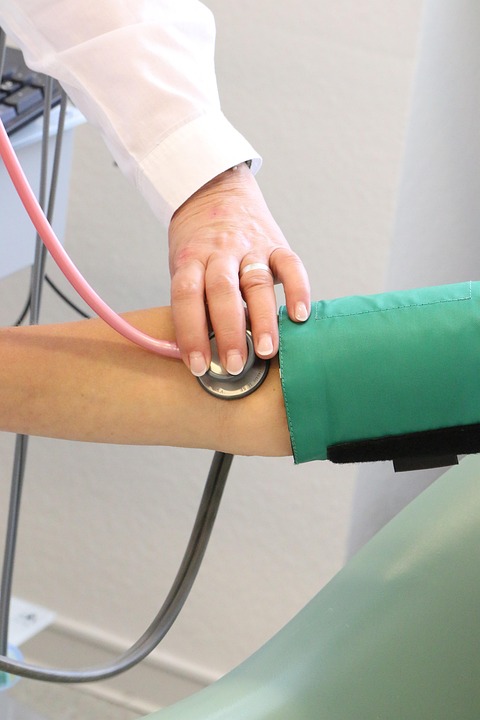
The Pressure’s On: Why Blood Pressure Monitoring is Crucial for People with Diabetes
For individuals with diabetes, managing their condition is a constant balancing act. Alongside controlling blood sugar levels, monitoring blood pressure is a critical aspect of overall health management. High blood pressure, also known as hypertension, is a common comorbidity among people with diabetes, and if left unchecked, it can lead to severe complications. In this article, we will delve into the importance of blood pressure monitoring for individuals with diabetes and why it’s essential to take proactive steps to manage this critical health indicator.
The Link Between Diabetes and High Blood Pressure
Diabetes and high blood pressure are closely linked, and research suggests that people with diabetes are more likely to develop hypertension than those without the condition. There are several reasons for this connection:
- Kidney damage: High blood sugar levels can damage the kidneys, leading to decreased kidney function and increased blood pressure.
- Blood vessel damage: Diabetes can cause blood vessels to become stiff and narrow, increasing blood pressure and reducing blood flow to vital organs.
- Insulin resistance: Insulin resistance, a common feature of type 2 diabetes, can lead to increased blood pressure and cardiovascular disease.
Why Blood Pressure Monitoring is Crucial
Regular blood pressure monitoring is essential for people with diabetes, as it allows them to:
- Detect hypertension early: Early detection of high blood pressure enables timely intervention, reducing the risk of complications such as heart disease, stroke, and kidney damage.
- Monitor treatment effectiveness: Blood pressure monitoring helps individuals with diabetes assess the effectiveness of their treatment plan and make adjustments as needed.
- Identify potential issues: Regular monitoring can identify potential issues, such as blood pressure fluctuations, which can be addressed before they become severe.
The Consequences of Uncontrolled Hypertension
Uncontrolled hypertension can have severe consequences for individuals with diabetes, including:
- Cardiovascular disease: High blood pressure increases the risk of heart disease, heart failure, and stroke.
- Kidney damage: Prolonged hypertension can lead to kidney damage and failure, requiring dialysis or transplantation.
- Vision loss: High blood pressure can cause damage to the blood vessels in the eyes, leading to vision loss and blindness.
- Cognitive decline: Uncontrolled hypertension has been linked to cognitive decline and dementia in people with diabetes.
How to Monitor Blood Pressure Effectively
To monitor blood pressure effectively, individuals with diabetes should:
- Invest in a home blood pressure monitor: Regular monitoring at home can help track blood pressure fluctuations and identify potential issues.
- Check blood pressure regularly: Aim to check blood pressure at least twice a day, ideally at the same time each day.
- Keep a blood pressure log: Record blood pressure readings to track changes and share with healthcare providers.
- Consult with healthcare providers: Regularly discuss blood pressure readings with healthcare providers to adjust treatment plans as needed.
Conclusion
Blood pressure monitoring is a critical aspect of diabetes management, and individuals with diabetes must take proactive steps to manage this vital health indicator. By understanding the link between diabetes and high blood pressure, monitoring blood pressure regularly, and working with healthcare providers to manage hypertension, individuals with diabetes can reduce their risk of complications and improve overall health outcomes. Remember, the pressure’s on – take control of your blood pressure today!