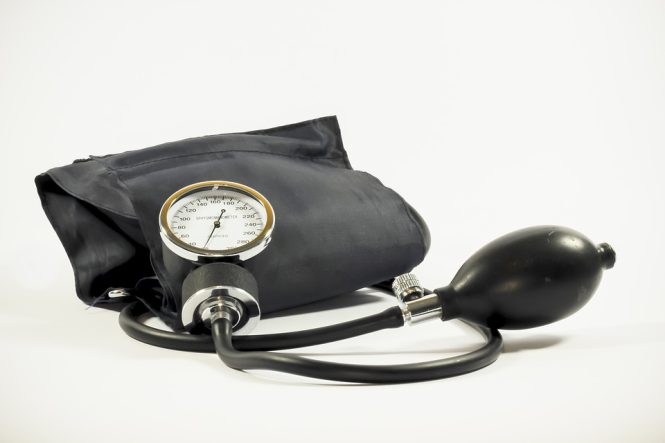
Heart Health Hazard: The Surprising Link Between Blood Pressure and Cardiovascular Disease
Cardiovascular disease (CVD) is one of the leading causes of death worldwide, accounting for over 17.9 million deaths per year. While many factors contribute to the development of CVD, high blood pressure (hypertension) is a significant and often overlooked hazard to heart health. In this article, we will explore the surprising link between blood pressure and cardiovascular disease, and discuss the importance of managing blood pressure to prevent CVD.
The Relationship Between Blood Pressure and Cardiovascular Disease
Blood pressure is the force of blood against the walls of arteries as it circulates throughout the body. When blood pressure is high, it can cause damage to the blood vessels, leading to atherosclerosis (the buildup of plaque in the arteries). Atherosclerosis is a major risk factor for CVD, as it can lead to the narrowing or blockage of arteries, resulting in reduced blood flow to the heart, brain, and other vital organs.
Research has shown that even mildly elevated blood pressure can increase the risk of CVD. A study published in the Journal of the American College of Cardiology found that individuals with prehypertension (blood pressure between 120/80 mmHg and 139/89 mmHg) were at a significantly higher risk of developing CVD compared to those with normal blood pressure.
The Dangers of Uncontrolled Blood Pressure
Uncontrolled high blood pressure can lead to a range of serious health problems, including:
- Heart Attack: High blood pressure can cause the coronary arteries to become narrow and blocked, leading to a heart attack.
- Stroke: High blood pressure can cause blood vessels in the brain to become damaged and leaky, leading to a stroke.
- Kidney Disease: High blood pressure can damage the blood vessels in the kidneys, leading to kidney disease and failure.
- Heart Failure: High blood pressure can cause the heart to become overworked and inefficient, leading to heart failure.
Managing Blood Pressure to Prevent Cardiovascular Disease
Fortunately, high blood pressure can be managed through lifestyle changes and medical treatment. Here are some ways to lower your blood pressure and reduce your risk of CVD:
- Exercise Regularly: Regular physical activity can help lower blood pressure and improve overall cardiovascular health.
- Maintain a Healthy Weight: Excess weight can increase blood pressure, so maintaining a healthy weight through a combination of diet and exercise is essential.
- Eat a Balanced Diet: A diet rich in fruits, vegetables, and whole grains can help lower blood pressure and reduce the risk of CVD.
- Reduce Sodium Intake: High sodium intake can increase blood pressure, so reducing sodium intake to less than 2,300 milligrams per day is recommended.
- Get Enough Sleep: Poor sleep quality and duration can increase blood pressure, so aiming for 7-8 hours of sleep per night is essential.
- Manage Stress: Chronic stress can increase blood pressure, so engaging in stress-reducing activities such as meditation or yoga can help.
- Monitor Blood Pressure: Regular blood pressure monitoring can help identify high blood pressure early, allowing for prompt treatment and prevention of CVD.
Conclusion
High blood pressure is a significant hazard to heart health, increasing the risk of cardiovascular disease and related health problems. By understanding the link between blood pressure and CVD, individuals can take steps to manage their blood pressure and reduce their risk of developing CVD. Lifestyle changes, such as regular exercise, a balanced diet, and stress management, can help lower blood pressure and improve overall cardiovascular health. If you have high blood pressure, it is essential to work with your healthcare provider to develop a treatment plan that includes medication, lifestyle changes, and regular monitoring to prevent the development of CVD. By taking control of your blood pressure, you can reduce your risk of CVD and maintain a healthy heart for years to come.