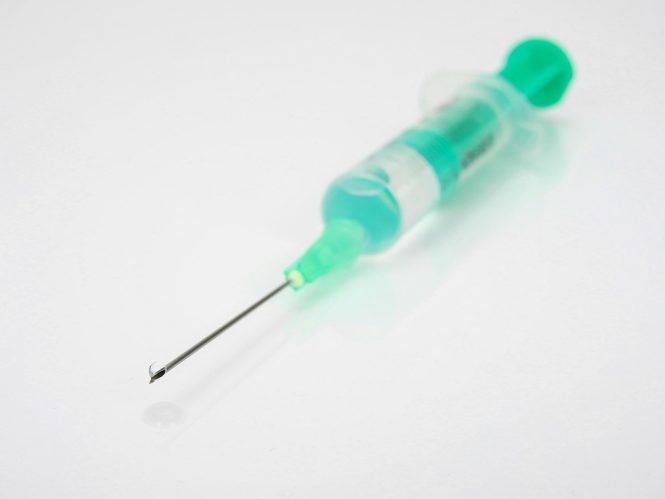
Tox and Roll: The Surprising Benefits of Botox Beyond Wrinkle Relief
When most people hear the word “Botox,” they immediately think of wrinkle relief and cosmetic procedures. And while it’s true that Botox has become a household name in the world of aesthetics, its benefits extend far beyond the realm of beauty treatments. In recent years, researchers and medical professionals have discovered a wide range of surprising uses for Botox, from treating migraines and excessive sweating to helping with overactive bladders and even depression.
The Science Behind Botox
To understand how Botox can have such a broad range of benefits, it’s essential to know how it works. Botox, short for botulinum toxin, is a neurotoxin produced by the bacteria Clostridium botulinum. When injected into a muscle, Botox temporarily paralyzes the muscle by blocking the release of a chemical messenger called acetylcholine. This can lead to a reduction in muscle spasms, sweat production, and other unwanted movements.
Migraine Relief
One of the most significant non-cosmetic uses of Botox is in the treatment of migraines. In 2010, the FDA approved Botox for the treatment of chronic migraines, which are defined as migraines that occur at least 15 days per month. Studies have shown that Botox injections can reduce the frequency and severity of migraines by up to 50%. While the exact mechanism is not fully understood, it’s thought that Botox may help to relax the muscles in the face and neck, which can become tense and contribute to migraine pain.
Excessive Sweating
Another common use of Botox is in the treatment of hyperhidrosis, or excessive sweating. By injecting Botox into the affected area, typically the underarms or palms of the hands, patients can experience a significant reduction in sweat production. This can be especially beneficial for people who experience embarrassing or uncomfortable sweating, such as those who work in public-facing roles or engaging in physical activities.
Overactive Bladders
Botox has also been shown to be effective in treating overactive bladders, a condition characterized by a frequent and urgent need to urinate. By injecting Botox into the bladder muscle, patients can experience a reduction in muscle spasms and an increase in bladder capacity. This can lead to improved bladder control and a reduction in symptoms such as urinary incontinence.
Depression and Mental Health
Perhaps one of the most surprising uses of Botox is in the treatment of depression and other mental health conditions. While the exact mechanism is not fully understood, research suggests that Botox may help to reduce symptoms of depression by relaxing the facial muscles and altering the brain’s emotional response. One study found that patients who received Botox injections experienced a significant improvement in depressive symptoms, with some even reporting a complete remission of symptoms.
Other Uses
In addition to these uses, Botox is also being explored as a treatment for a range of other conditions, including:
- Eye twitching: Botox can help to relax the muscles in the eye and reduce twitching and spasms.
- Cerebral palsy: Botox can help to relax the muscles in children with cerebral palsy, improving mobility and reducing spasticity.
- Temporomandibular joint (TMJ) disorders: Botox can help to relax the muscles in the jaw and reduce pain and tension associated with TMJ disorders.
Conclusion
While Botox may have started as a cosmetic treatment, its benefits extend far beyond the realm of beauty. From treating migraines and excessive sweating to helping with overactive bladders and depression, Botox has proven to be a versatile and effective treatment for a wide range of conditions. As research continues to uncover new uses for Botox, it’s likely that we’ll see even more innovative applications for this powerful neurotoxin in the future. Whether you’re looking to smooth out wrinkles or alleviate symptoms of a chronic condition, Botox may be worth considering – just be sure to consult with a qualified medical professional to discuss the potential benefits and risks.