The Silent Killer: Understanding the Dangers of Uncontrolled High Blood Pressure
High blood pressure, also known as hypertension, is a silent killer that affects millions of people worldwide. It is a condition where the blood pressure in the arteries is consistently too high, putting extra strain on the heart and blood vessels. If left uncontrolled, high blood pressure can lead to serious health complications, including heart disease, stroke, kidney disease, and even death.
What is High Blood Pressure?
Blood pressure is the force of blood pushing against the walls of the arteries as it circulates throughout the body. It is measured in millimeters of mercury (mmHg) and is expressed as two numbers: systolic pressure (the top number) and diastolic pressure (the bottom number). A normal blood pressure reading is typically around 120/80 mmHg. High blood pressure is defined as a reading of 140/90 mmHg or higher.
Causes and Risk Factors
High blood pressure can be caused by a combination of genetic, lifestyle, and environmental factors. Some of the main causes and risk factors include:
- Family history: Having a family history of high blood pressure increases your risk of developing the condition.
- Age: Blood pressure tends to rise with age.
- Obesity: Being overweight or obese can increase your blood pressure.
- Physical inactivity: A sedentary lifestyle can contribute to high blood pressure.
- Smoking: Smoking damages the blood vessels and increases blood pressure.
- Diet: A diet high in salt, sugar, and saturated fat can contribute to high blood pressure.
- Stress: Chronic stress can raise blood pressure.
Symptoms and Detection
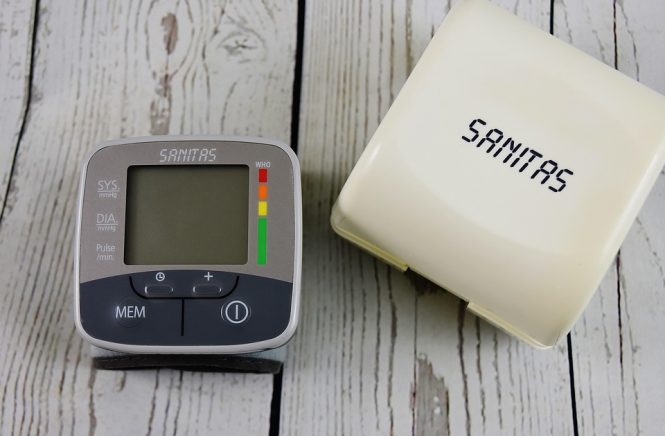
High blood pressure often has no symptoms, which is why it is called the “silent killer.” Many people with high blood pressure do not realize they have it until they experience a serious health complication, such as a heart attack or stroke. The only way to detect high blood pressure is through regular blood pressure checks.
Consequences of Uncontrolled High Blood Pressure
If left uncontrolled, high blood pressure can lead to serious health complications, including:
- Heart Disease: High blood pressure can cause the heart to work harder, leading to heart failure, coronary artery disease, and heart attacks.
- Stroke: High blood pressure can cause blood vessels in the brain to burst, leading to stroke and brain damage.
- Kidney Disease: High blood pressure can damage the kidneys and lead to kidney failure.
- Vision Loss: High blood pressure can cause blood vessels in the eyes to burst, leading to vision loss and blindness.
- Cognitive Decline: High blood pressure can increase the risk of cognitive decline and dementia.
Management and Treatment
While there is no cure for high blood pressure, it can be managed and treated through lifestyle changes and medication. Some of the ways to manage high blood pressure include:
- Lifestyle Changes: Eating a healthy diet, exercising regularly, quitting smoking, and reducing stress can help lower blood pressure.
- Medication: There are several types of medication available to treat high blood pressure, including diuretics, beta blockers, and ACE inhibitors.
- Regular Check-Ups: Regular blood pressure checks can help monitor and manage high blood pressure.
Prevention
Preventing high blood pressure is key to avoiding its serious health complications. Some of the ways to prevent high blood pressure include:
- Eating a Healthy Diet: Eating a diet low in salt, sugar, and saturated fat can help prevent high blood pressure.
- Exercising Regularly: Regular exercise can help lower blood pressure and reduce the risk of heart disease.
- Maintaining a Healthy Weight: Maintaining a healthy weight can help reduce the risk of high blood pressure.
- Quitting Smoking: Quitting smoking can help reduce the risk of high blood pressure and heart disease.
Conclusion
High blood pressure is a silent killer that affects millions of people worldwide. It is a condition that can be managed and treated through lifestyle changes and medication. By understanding the causes and risk factors of high blood pressure, and taking steps to prevent and manage it, we can reduce the risk of serious health complications and live a healthier, longer life. Regular blood pressure checks and a healthy lifestyle can help prevent high blood pressure and its devastating consequences.