Blood Pressure 101: What You Need to Know to Stay Healthy
Blood pressure is a vital sign that plays a crucial role in maintaining our overall health. It is the force exerted by blood against the walls of our arteries as it circulates throughout our body. Having healthy blood pressure is essential to prevent various cardiovascular diseases, such as heart attacks, strokes, and kidney damage. In this article, we will delve into the basics of blood pressure, its importance, and provide tips on how to maintain a healthy blood pressure level.
What is Blood Pressure?
Blood pressure is measured in millimeters of mercury (mmHg) and is expressed as two numbers: systolic and diastolic. The systolic pressure, which is the top number, represents the pressure in the arteries when the heart beats and pumps blood. The diastolic pressure, which is the bottom number, represents the pressure in the arteries when the heart rests between beats. A normal blood pressure reading is typically around 120/80 mmHg.
Types of Blood Pressure
There are several types of blood pressure, including:
- Hypotension: Low blood pressure, which can cause dizziness, fainting, and fatigue.
- Hypertension: High blood pressure, which can lead to cardiovascular diseases, such as heart attacks, strokes, and kidney damage.
- Prehypertension: A condition where blood pressure is higher than normal but not high enough to be classified as hypertension.
- Isolated systolic hypertension: A condition where only the systolic pressure is high, while the diastolic pressure is normal.
Causes and Risk Factors
Several factors can contribute to high blood pressure, including:
- Age: Blood pressure tends to increase with age.
- Family history: Having a family history of high blood pressure can increase your risk.
- Obesity: Being overweight or obese can increase your blood pressure.
- Physical inactivity: Lack of exercise can contribute to high blood pressure.
- Smoking: Smoking can damage blood vessels and increase blood pressure.
- Diabetes: Having diabetes can increase your risk of developing high blood pressure.
- Kidney disease: Certain kidney diseases can increase blood pressure.
Symptoms and Diagnosis
High blood pressure often has no symptoms, which is why it is essential to get regular check-ups. If you experience any of the following symptoms, seek medical attention:
- Headaches
- Dizziness
- Nausea
- Fatigue
- Chest pain
- Shortness of breath
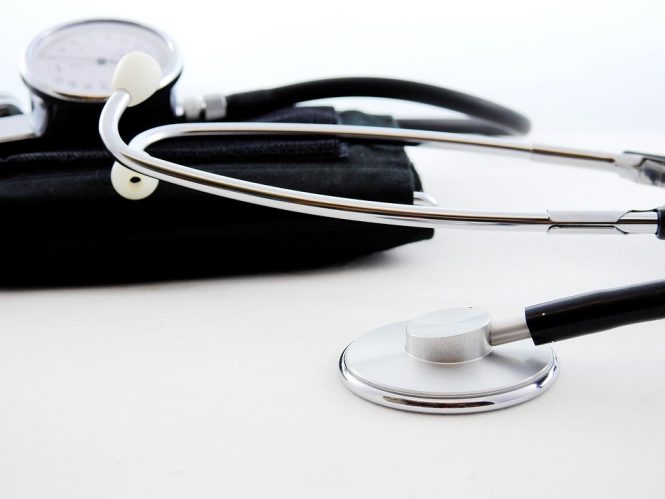
To diagnose high blood pressure, your doctor will use a sphygmomanometer to measure your blood pressure. They may also perform additional tests, such as:
- Electrocardiogram (ECG): To measure the electrical activity of your heart.
- Echocardiogram: To evaluate the function of your heart.
- Urinalysis: To check for signs of kidney damage.
Treatment and Management
If you have high blood pressure, your doctor may prescribe medication to help lower your blood pressure. Lifestyle changes can also help manage high blood pressure, including:
- Regular exercise: Aim for at least 30 minutes of moderate-intensity exercise per day.
- Healthy diet: Eat a balanced diet that is low in sodium, saturated fat, and cholesterol.
- Weight loss: If you are overweight or obese, losing weight can help lower your blood pressure.
- Stress reduction: Engage in stress-reducing activities, such as meditation or yoga.
- Smoking cessation: Quit smoking to reduce your risk of cardiovascular disease.
Tips to Maintain Healthy Blood Pressure
To maintain healthy blood pressure, follow these tips:
- Get regular check-ups: Monitor your blood pressure regularly to detect any changes.
- Eat a balanced diet: Focus on whole, unprocessed foods, such as fruits, vegetables, whole grains, and lean proteins.
- Stay hydrated: Drink plenty of water to help regulate your blood pressure.
- Limit sodium intake: Aim for less than 2,300 milligrams of sodium per day.
- Get enough sleep: Aim for 7-8 hours of sleep per night to help regulate your blood pressure.
- Manage stress: Engage in stress-reducing activities, such as meditation or yoga.
In conclusion, maintaining healthy blood pressure is crucial to preventing cardiovascular diseases. By understanding the basics of blood pressure, its importance, and following the tips outlined in this article, you can take control of your blood pressure and reduce your risk of developing cardiovascular disease. Remember to get regular check-ups, eat a balanced diet, stay hydrated, limit sodium intake, get enough sleep, and manage stress to maintain healthy blood pressure.